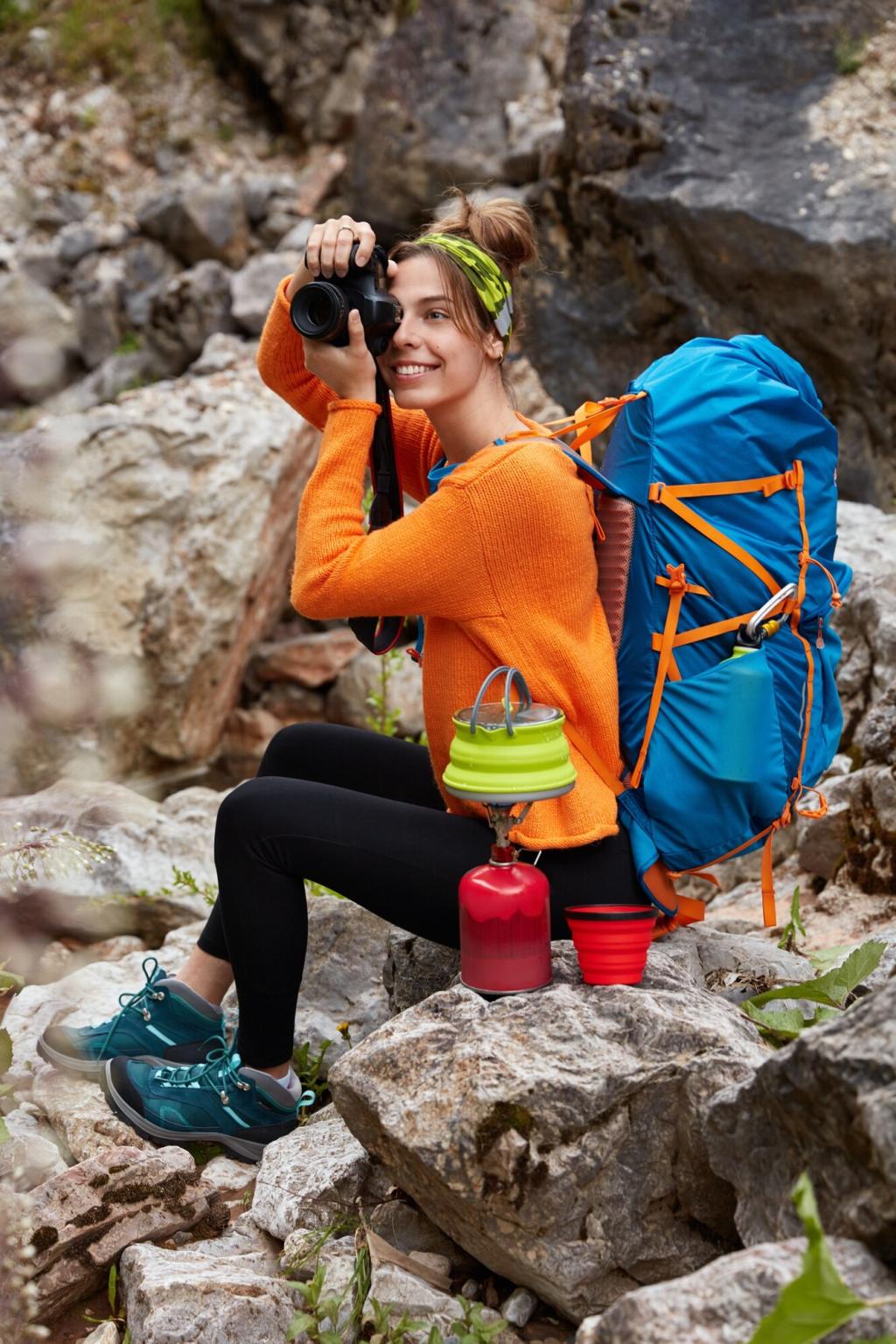
Essential Photography Gear for Hiking in Different Seasons

Chosen theme: Essential Photography Gear for Hiking in Different Seasons. Pack smarter, hike safer, and come home with the images you imagined—no matter the weather. Stay with us, share your questions, and subscribe for seasonal checklists tailored to your favorite trails.

Seasonal Packing Mindset: Build a Kit that Adapts

Shoulder seasons swing fast: mud and rain, warm sun and sudden wind. Pack a weatherproof shell for your body and a dedicated rain cover for your camera, plus a polarizer to tame glare after storms. Add lightweight gaiters, a microfiber towel, and ND filters for swollen waterfalls. Tell us your spring or fall go-to lens and why it earns space in your bag.

Seasonal Packing Mindset: Build a Kit that Adapts

Heat, dust, and long days demand discipline. Shade the camera with a light-colored cloth, clean sensors with a blower, and avoid leaving gear in hot cars. Bring extra water for yourself and lens wipes for sweat and sunscreen smudges. A reflective cover and breathable strap reduce overheating. What heat-beating trick keeps your camera rolling at noon?
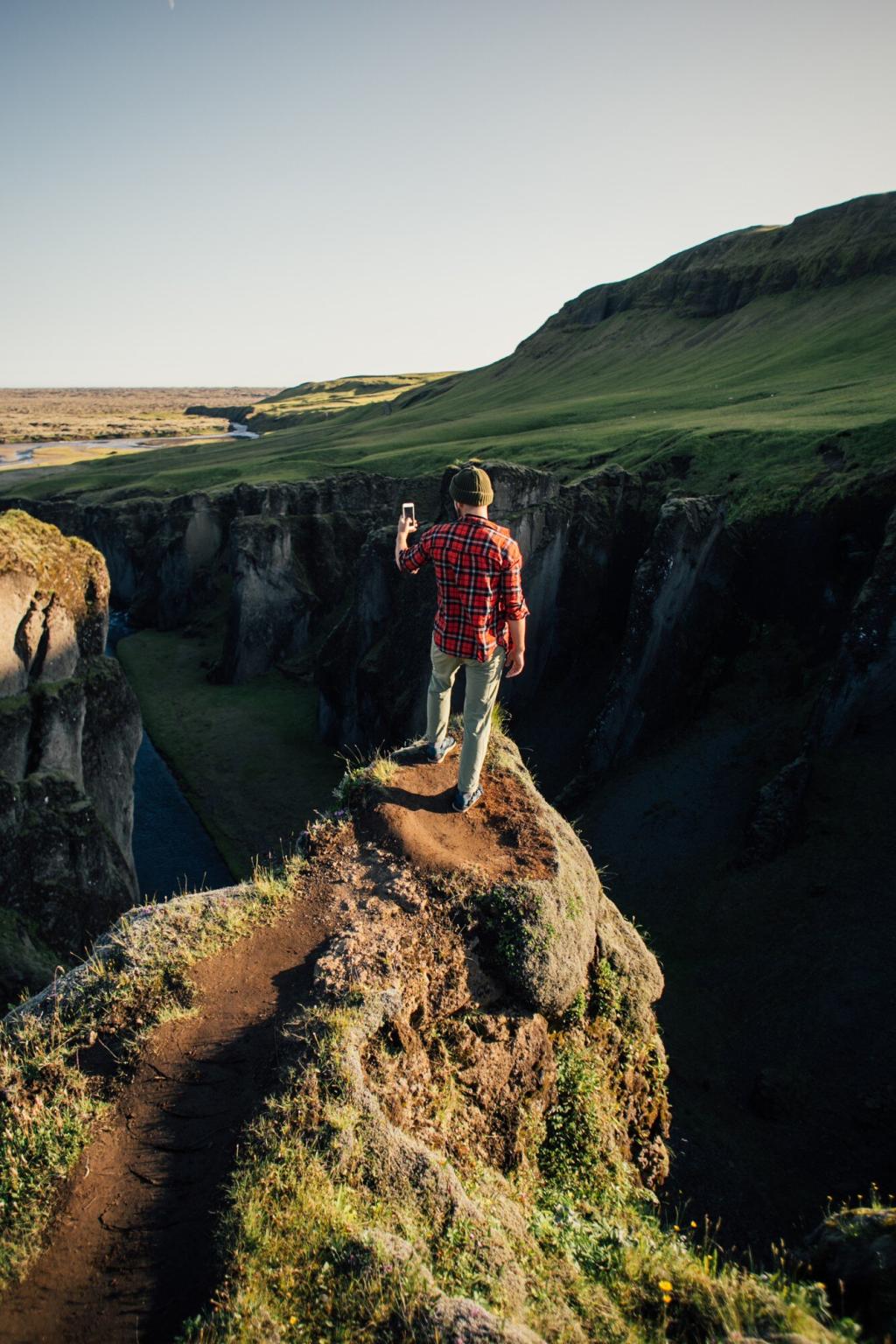
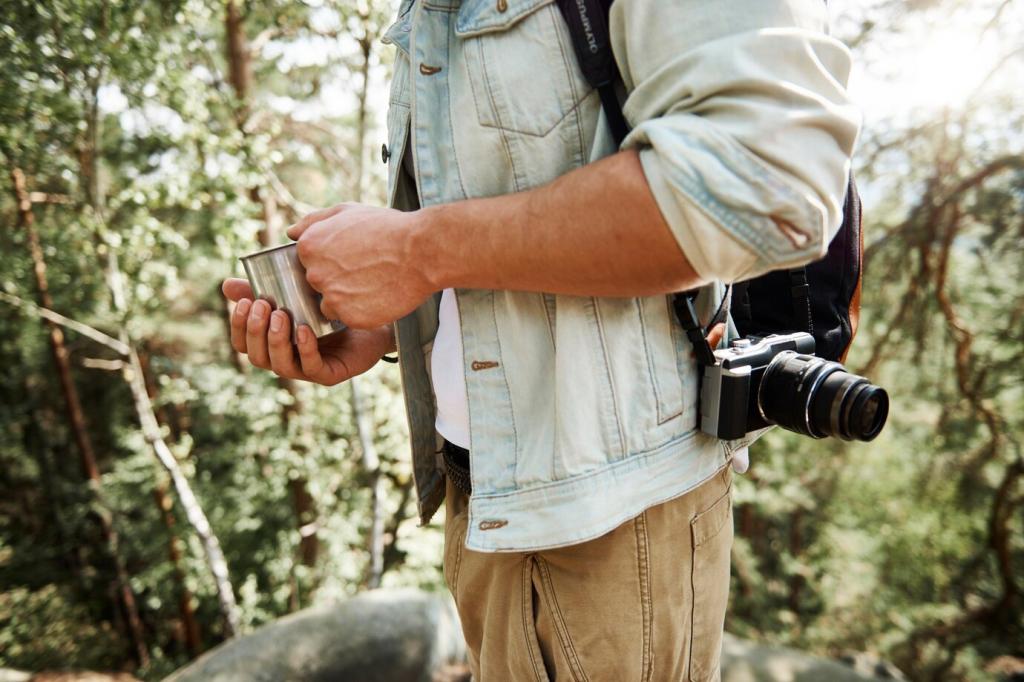
Camera Bodies and Lenses for Seasonal Demands

Use a wide-angle with excellent flare resistance for snow-glare and low winter sun. Bracket or use graduated NDs to manage snow and bright skies without crushing shadows. A deep lens hood and microfibers help control veiling flare. Share your favorite wide-angle and the strongest sun angle it has handled gracefully.

Camera Bodies and Lenses for Seasonal Demands

Long lenses shine in autumn when animals are active and leaf color frames subjects, and in winter when clean air reveals far peaks. Stabilization off on a tripod, on when handholding in wind. A sturdy lens foot improves balance. What focal length lands you the most keepers during shoulder seasons?

Camera Bodies and Lenses for Seasonal Demands

Spring melt exposes textures and blooms; summer teems with insects. A macro lens, small diffuser, and a compact kneeling pad protect knees in mud. Use manual focus with focus peaking to nail delicate details. Once, a pocket diffuser turned a harsh noon beetle shot into a gem—try it and tell us your results.
Battery Strategy for Subzero and Scorching Days
Label batteries, rotate them, and keep depleted ones warm before recharging. In cold, swap frequently; in heat, avoid charging when devices feel hot. A high-capacity USB-C PD power bank and short cables save weight and frustration. Have you tested how many long-exposure star shots a single battery yields in real winter conditions?
Rain, Snow, and Salt: Shielding Your Kit
A fitted rain cover or storm jacket lets you shoot through showers. Stash dry bags, a pack liner, and a spare microfiber in a zip bag. After sea spray, lightly wipe, then gently rinse salt with fresh water on non-electronic surfaces. Which storm-proofing habit has saved your camera during a surprise squall?
Condensation and Silica: Safe Transitions
Prevent fogged elements by sealing your gear in a bag before entering warmth, letting it acclimate slowly. Recharge silica gel packs regularly and keep a few inside lens pouches. Anti-fog cloths help filters and viewfinders. Tell us your best routine for moving from freezing trailheads to cozy cabins without moisture mishaps.

Tripod Choices for Wind, Ice, and Streams

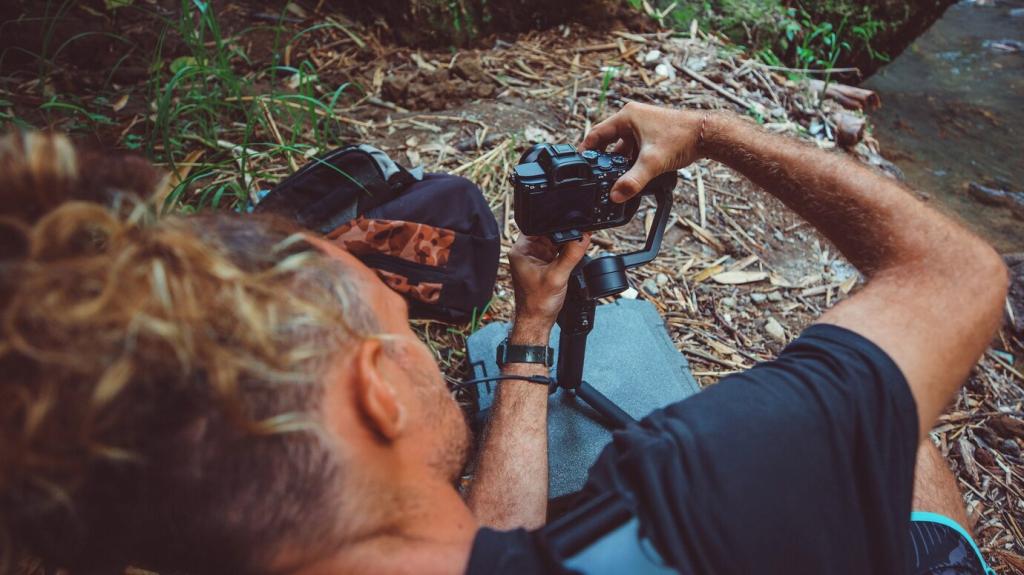
Carbon fiber damps vibration and stays warmer to the touch than aluminum. Use spike feet on ice and rubber on rock; keep legs unextended in fast water. Hang a bag from the center hook only when it cannot swing. A gusty cliff once taught me to splay legs wide and ditch the center column—share your hard-won stability tip.

Footwear and Traction for Mud, Scree, and Ice

Waterproof boots with real lugs, gaiters for slop, and microspikes for packed snow keep you upright. Separate traction devices from soft gear to avoid tears, and carry a spare pair of socks. Stable hikers make steadier photographers. What traction tool saves you most often where you live?

Light and Time: Seasonal Planning Tools

Low winter sun carves texture all day, while summer golden hours come early and late. Use planning apps to predict light direction and shadow lengths. Pack graduated filters or bracket for high-contrast scenes. Which location surprised you most with seasonal light, and how did you adapt?

Light and Time: Seasonal Planning Tools

Winter air often yields crisp stars; summer unveils the Milky Way core. Bring a red headlamp, spare batteries, and a lens warmer to prevent dew. Watch for heat haze on long telephoto vistas at midday. Share your favorite season for night hikes and the lens that always earns its spot.

Carry Systems and Quick Access in the Elements

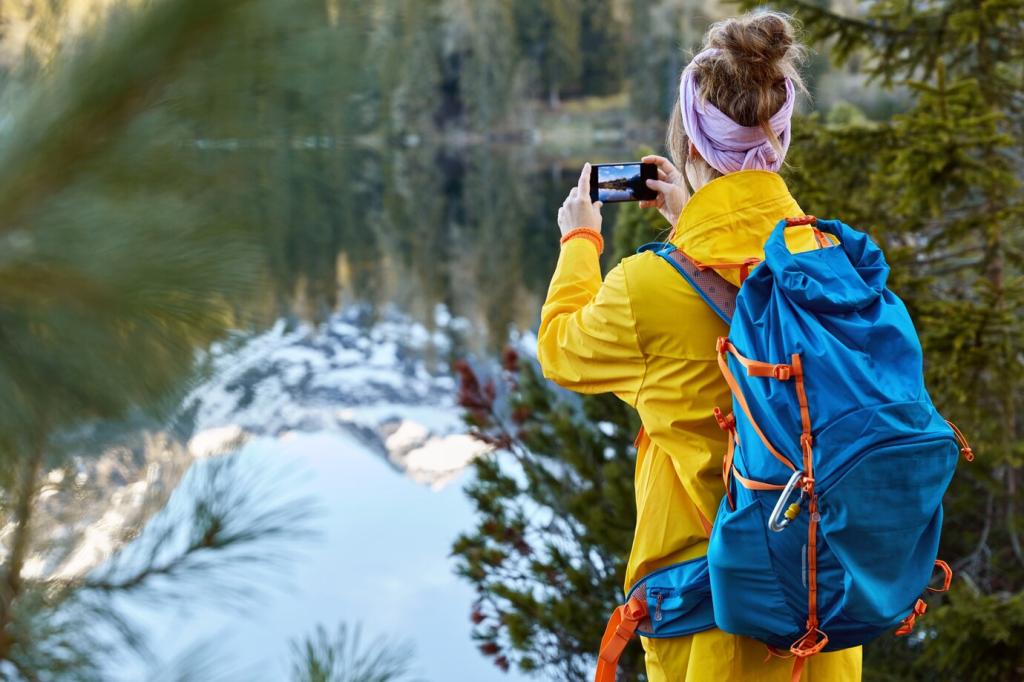
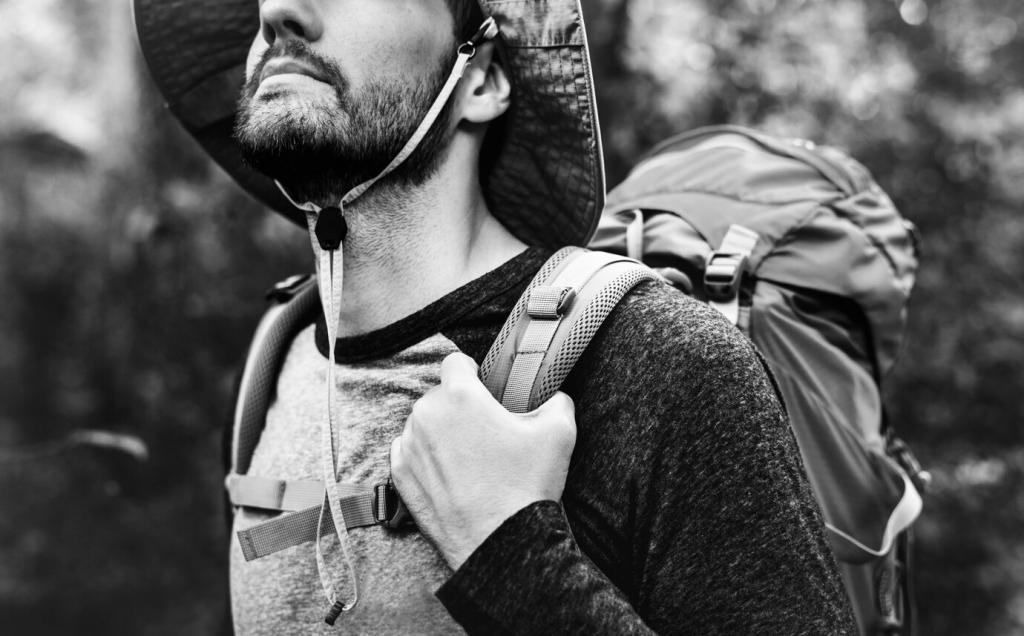
Choose a hiking pack with a supportive frame and add camera inserts for shock protection. Side or back-panel access keeps gear clean on muddy trails. Use compression straps for a tripod and stash extra layers near the top for rapid temperature swings. Which pack layout helps you grab the shot before the light fades?

Carry Systems and Quick Access in the Elements

Oversized zipper pulls, tactile labels, and color-coded pouches speed decisions with cold fingers. A tiny laminated card lists winter exposure tweaks. A cable release or Bluetooth remote preserves composition on slippery ground. Tell us your smartest small mod that made big differences in the field.
Nishaantishu
Privacy Overview

This website uses cookies so that we can provide you with the best user experience possible. Cookie information is stored in your browser and performs functions such as recognising you when you return to our website and helping our team to understand which sections of the website you find most interesting and useful.