How to Pack Photography Equipment for Multi-Season Hikes
Chosen theme: How to Pack Photography Equipment for Multi-Season Hikes. Step into the wild with confidence as we explore smart, field-tested packing strategies that keep your camera safe, accessible, and ready for magic light—no matter the season. Share your own tips and subscribe for future trail-proven checklists and packing templates.
Build a Season-Proof Photo Kit
Choose Versatile Bodies and Lenses
Prioritize a weather-sealed body, one lightweight zoom covering your core range, and a fast prime for low light. Avoid overlapping focal lengths that add weight without adding shots. If you can’t leave something behind, justify it with a specific scene you’ll likely encounter.
Pack Modular, Think in Cubes and Layers
Use padded inserts or camera cubes inside your hiking pack so gear relocates easily between seasons and trips. Keep lenses in soft pouches, filters in a slim case, and accessories grouped by task. When storms brew, you can move a single cube, not your entire pack.
Balance Image Quality Against Every Gram
Ask which lens earns its keep in three distinct scenarios you will encounter. If it only shines in one rare shot, consider leaving it. Lighter gear preserves stamina for sunrise ridgelines, where the best frames happen because you still have energy to climb.
Backpack Layout and Weight Distribution
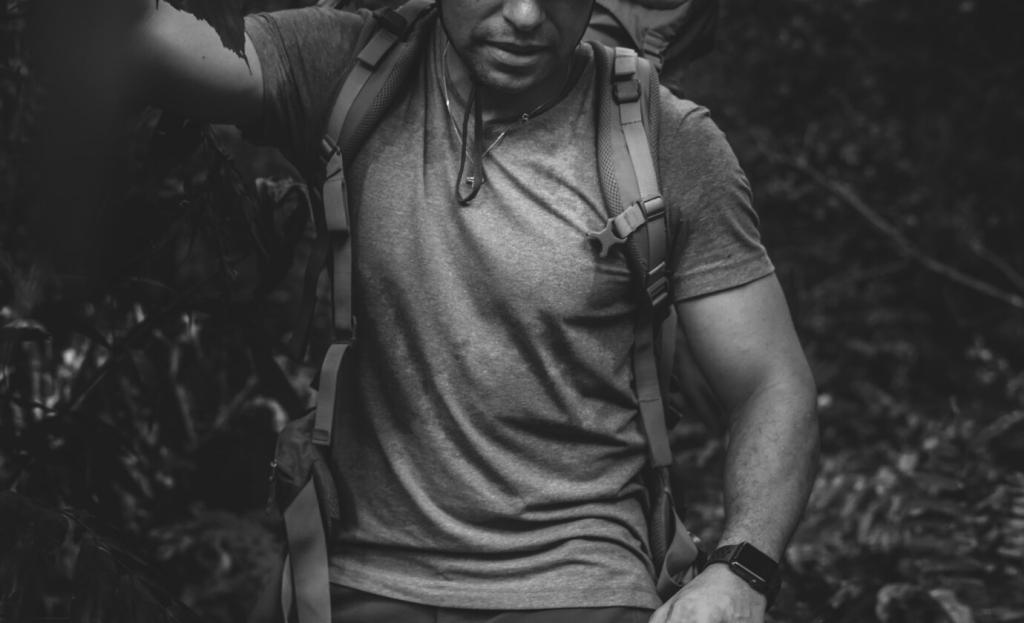
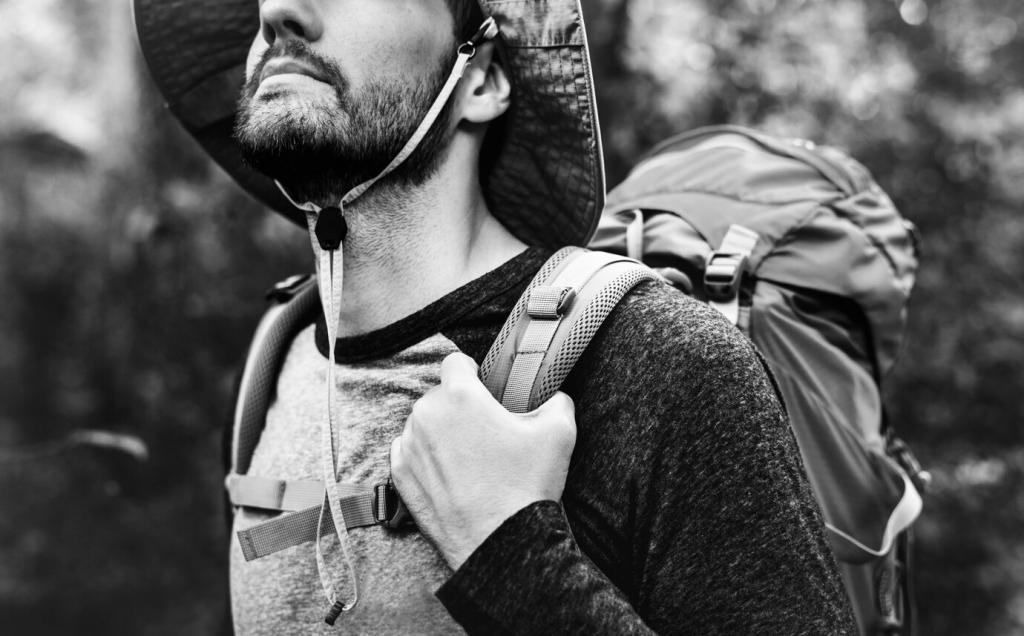
Place the camera cube close to your back, centered between shoulder blades, with heavier lenses low and near your spine. This keeps the center of gravity stable on exposed traverses. Reserve outer pockets for light items that won’t sway or snag on brush.
Backpack Layout and Weight Distribution
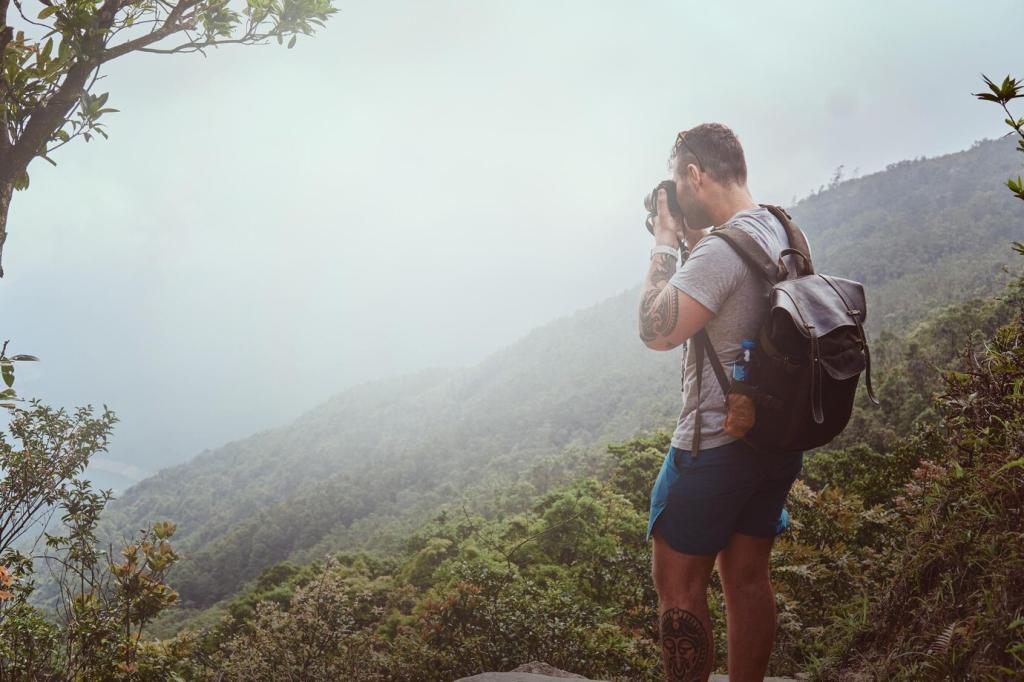
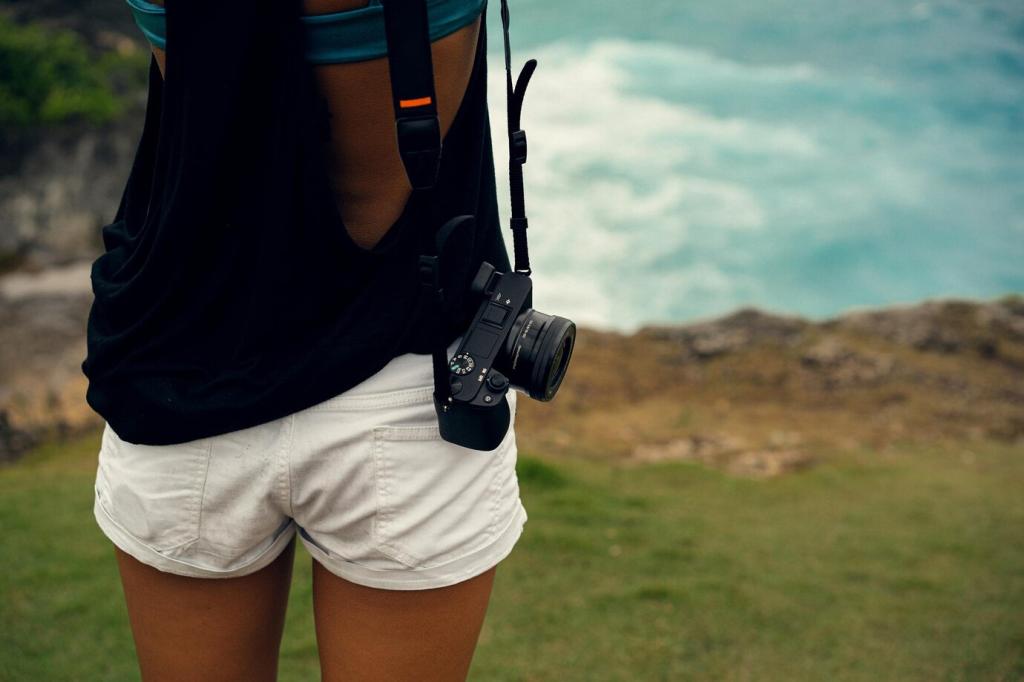
Keep the camera in a chest harness or top lid so you can shoot within seconds, not minutes. A hip-belt pouch for batteries and cloth means fewer stops. When haze opens for thirty heartbeats, you’ll actually get the frame instead of digging in your pack.
Layer Protection Like Clothing
Use a dry bag liner inside the backpack, a padded insert for shock, and individual pouches for lenses. Add a pack rain cover for heavy storms. Small microfiber towels live in an outer pocket. When a squall hits, you close a zipper and keep hiking, not panicking.
Tame Condensation and Cold-Soaked Batteries
Before entering a warm tent after a freezing shoot, seal the camera in a zip bag so moisture condenses on plastic, not sensors. Keep batteries in an inner jacket pocket. In frigid dawns, rotate warm spares frequently to maintain autofocus speed and stabilization performance.
Dust, Sleet, and the Lesson of the Desert Storm
On a sandy plateau, I learned to brush grit before opening any compartment. A rocket blower saved a sensor, and a cheap rain sleeve saved autofocus. Pack a spare body cap, a resealable bag for filthy cloths, and log a reminder to clean everything at camp each night.
Power, Data, and Redundancy on the Trail
Label batteries A, B, C and rotate them to track usage. In heat, shade them; in cold, pocket them. Expect winter drains to be nearly double. Keep a tiny voltmeter or rely on camera readouts, but always hold a final reserve for the unexpected sunset after camp chores.
Power, Data, and Redundancy on the Trail
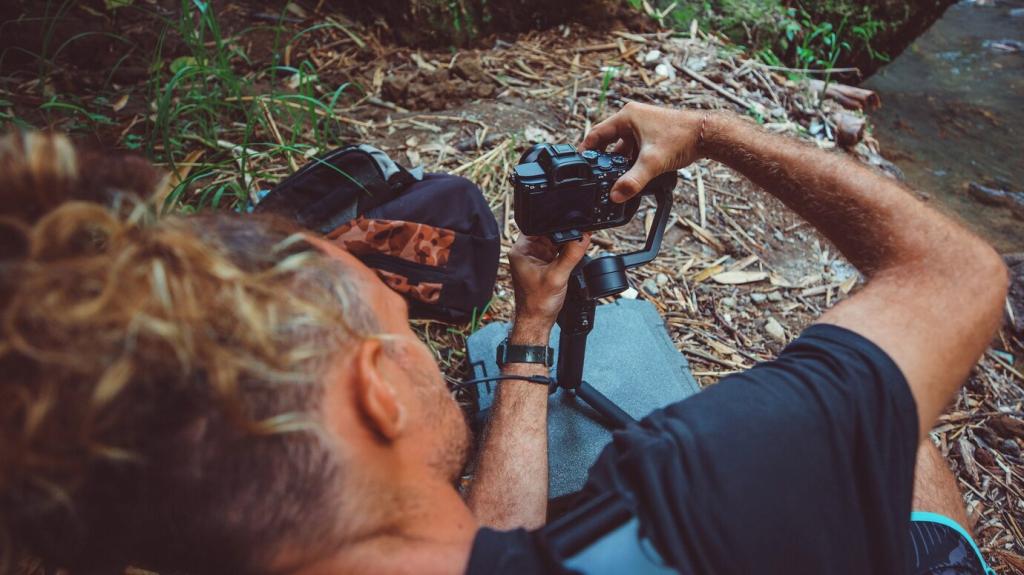
Shoot RAW to dual slots if available. Carry a waterproof card wallet and never store full cards with the camera. On longer expeditions, back up to a phone with an SD reader or a rugged SSD. Make a habit: import, verify, then stow each night before lights out.
Pre-Dawn Checks that Save Sunrises
Tape a tiny checklist inside your lid: batteries warm, cards cleared, cloth accessible, rain sleeve reachable, lens caps accounted for. Touch each item with a fingertip before you leave the tent. When the ridge glows pink, you’re present, not rummaging for forgotten parts.
On-Trail Micro-Sessions That Don’t Stall the Group
Adopt a thirty-second rule: one composition, three frames, quick histogram glance, then stow. If the scene transforms, step aside and shoot longer. Your companions will thank you, and you’ll keep pace while still collecting a meaningful visual story along the miles.
Camp Maintenance and Overnight Recovery
Hang damp straps, wipe condensation, and brush grit from zippers. Recharge batteries as you rehydrate. Air out the camera cube inside the tent vestibule but keep gear sealed if humidity climbs. Journal what worked, then tell us your tweaks so others can benefit next trip.
Safety, Ethics, and Leave No Trace for Photographers
Use longer lenses and crop in post rather than creeping too close. Follow local guidance, like 100 meters for bears or 25 for most large mammals. No baiting, no calls. Pack a beanbag or strap the camera to trekking poles for steady shots without damaging habitat.
Safety, Ethics, and Leave No Trace for Photographers
At crowded overlooks, keep tripods low and footprints smaller than a doormat. Communicate clearly, take your turn, then step aside. Gentle etiquette keeps opportunities flowing for everyone. Drop a comment with your best practices at popular summits others can adopt.
Safety, Ethics, and Leave No Trace for Photographers
Use a dedicated microtrash bottle for torn wipes, tape backs, and silica packets. Tape over used battery terminals before packing out. The lighter your conscience, the lighter your step. Invite a friend to subscribe and hike a cleaner trail with their next camera adventure.
One weather-sealed body, a 24–70mm, lightweight 70–200mm f/4, compact tripod, cube inside a lined 55L pack. Add gloves for cold dawns, extra dry bags for freeze-thaw, and a headnet for surprise hatches. This setup catches moody clouds without breaking your knees on the climb.
Seasonal Packing Scenarios You Can Copy
Body with 24–105mm for flexibility, polarizer in a slim case, umbrella for mobile coverage, quick-dry cloths, and aggressive rain sleeves. Keep everything in a roll-top liner plus an outer cover. Practice deploying protection in ten seconds flat while keeping your footing on roots.